


Our story
Thirty children. Every Sunday. For years now.
None of it was planned. Here is how it started.
A small community building an environment where children want to learn — and where learning actually leads somewhere.
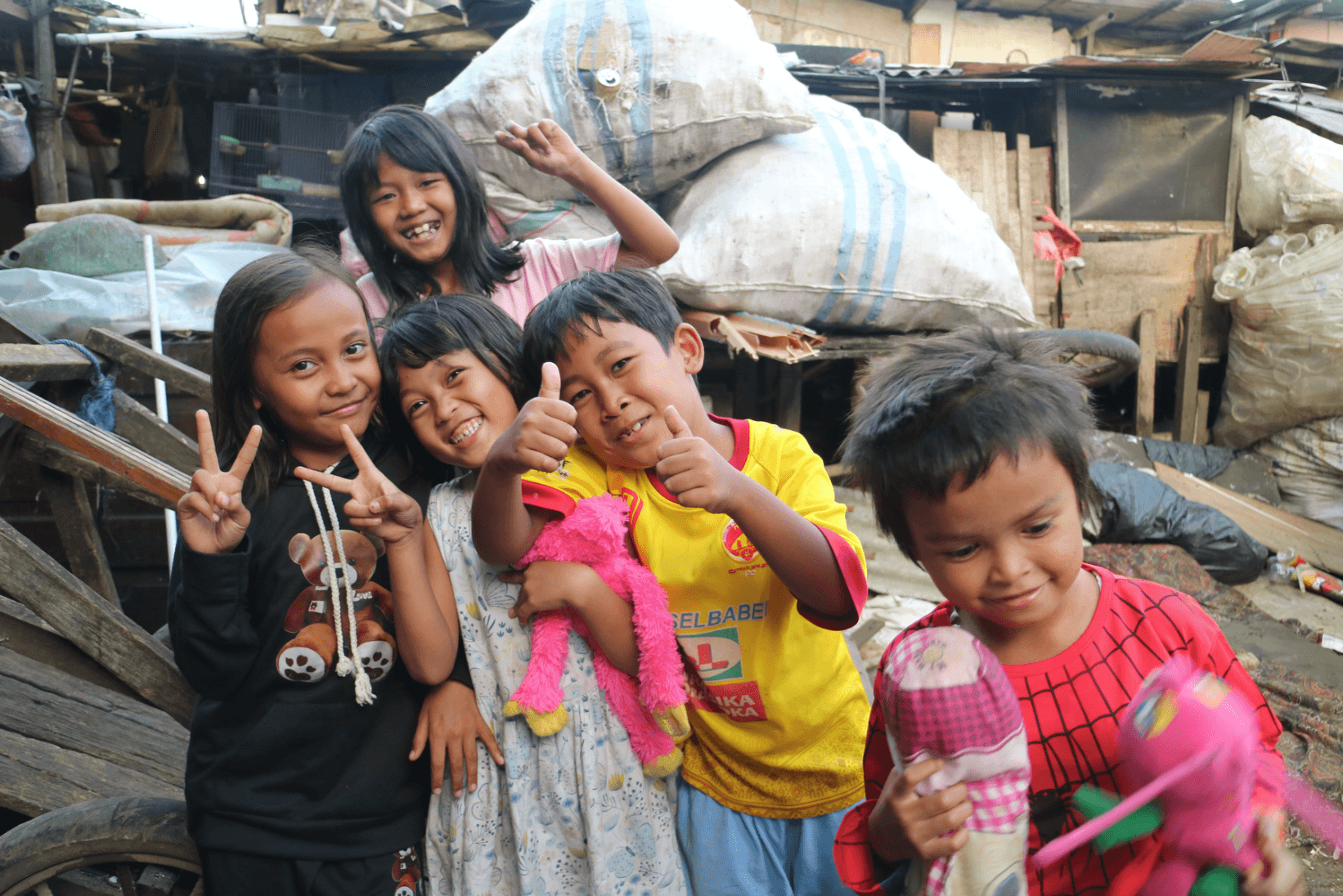
That is how close Karang Pola sits to opportunity. The distance is short — the gap is enormous. What the community taught us is that education was never the whole story: the barriers start long before a child ever enters a classroom.
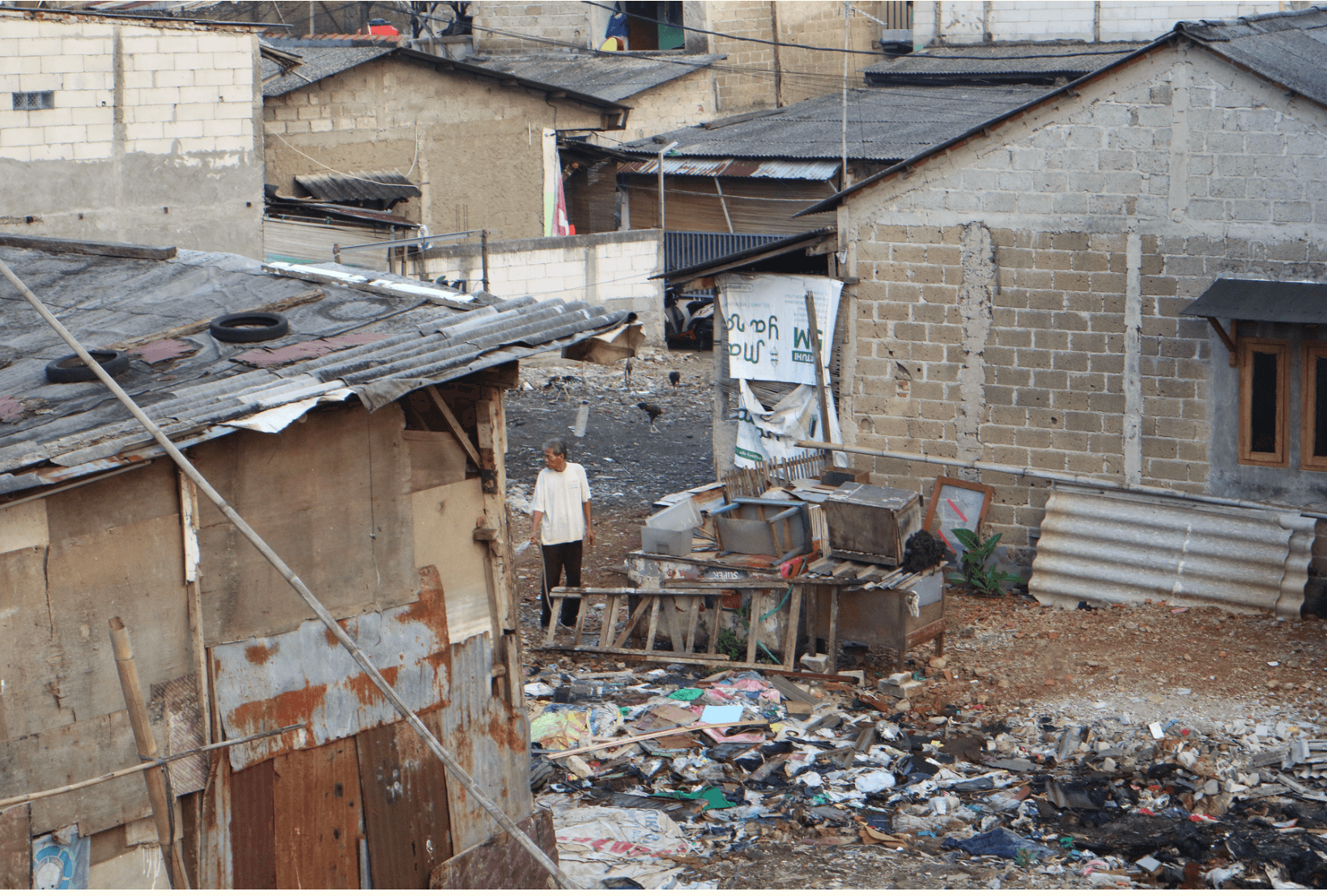
Missing documents keep children out of the system before they can even enrol.
Gaps compound early, and there is rarely anyone able to help a child catch up.
Income, housing and health shape whether school is possible at all.
None of it was planned. Here is how it started.
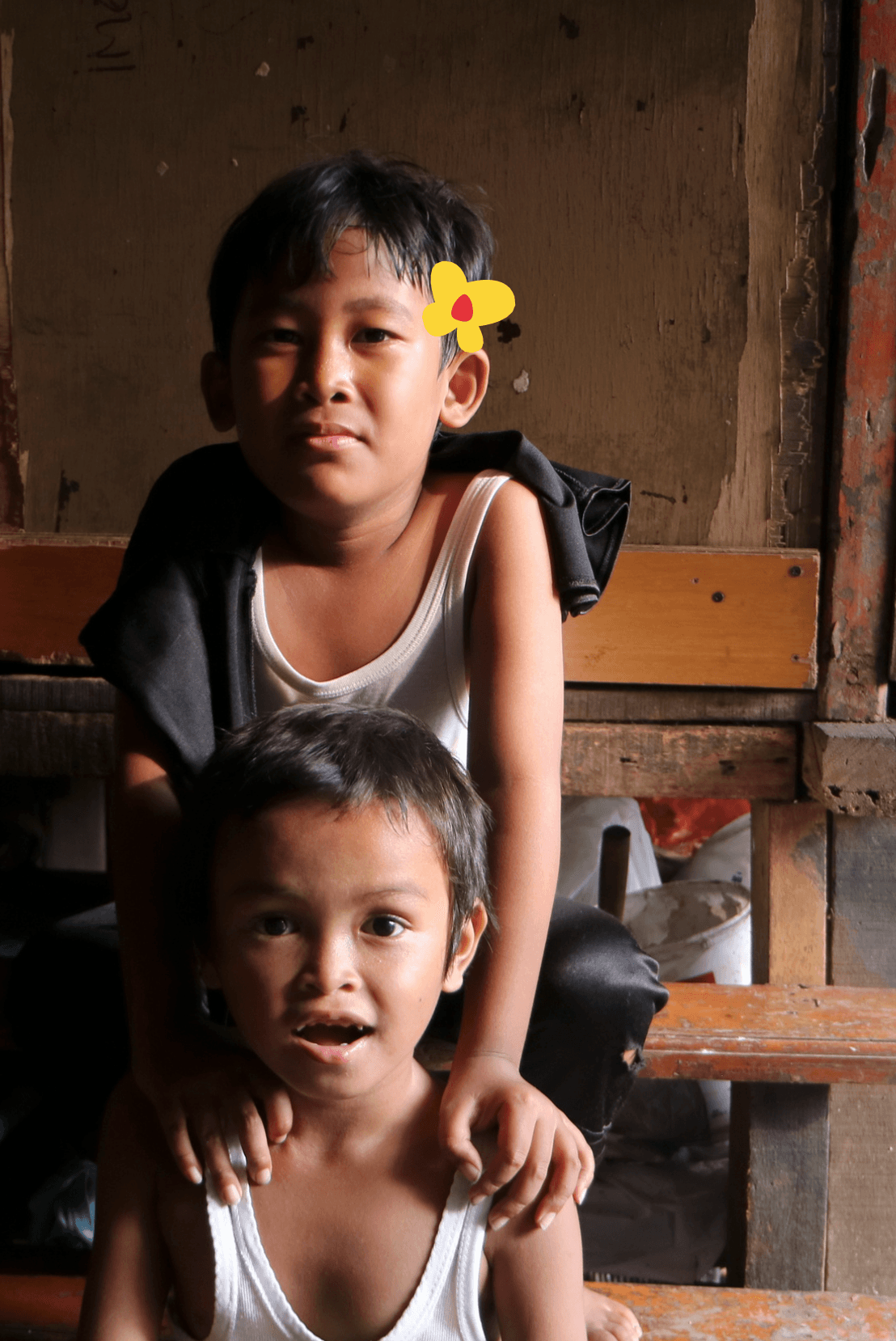
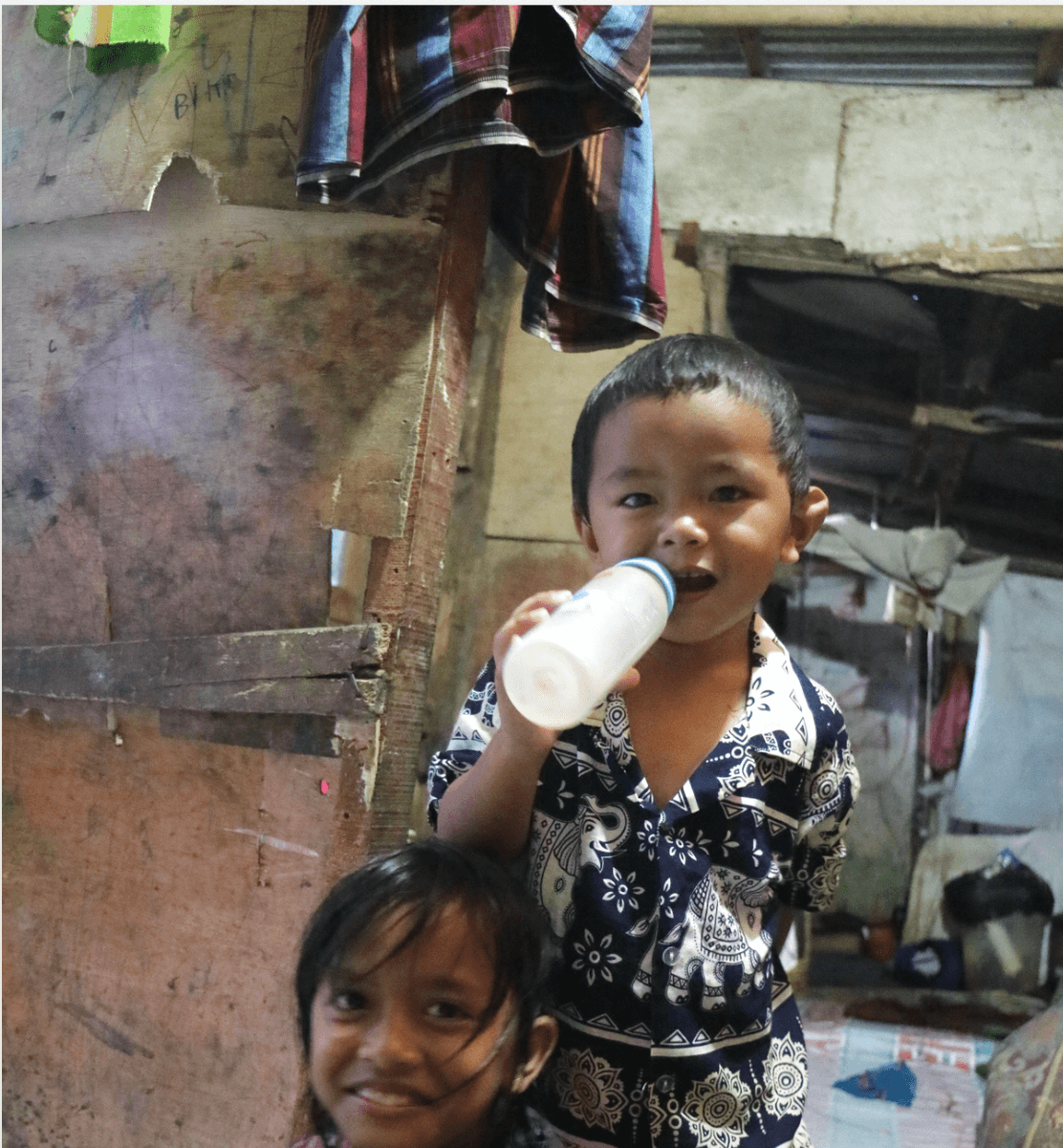
Bersama Belajar was never part of the original plan. A thesis became a lifelong commitment once it was clear that research alone would never change children's realities — so research turned into long-term community engagement.
“If education wasn't the only problem, it couldn't be the only solution.”
So we changed the question — from “How can we teach them?” to “How can education become a pathway to a different future?”
Basic reading; English reading, grammar, vocabulary and speaking; mathematics; and a target set for the next assessment.
More confident, more respectful, more curious, more expressive — and more willing to dream.
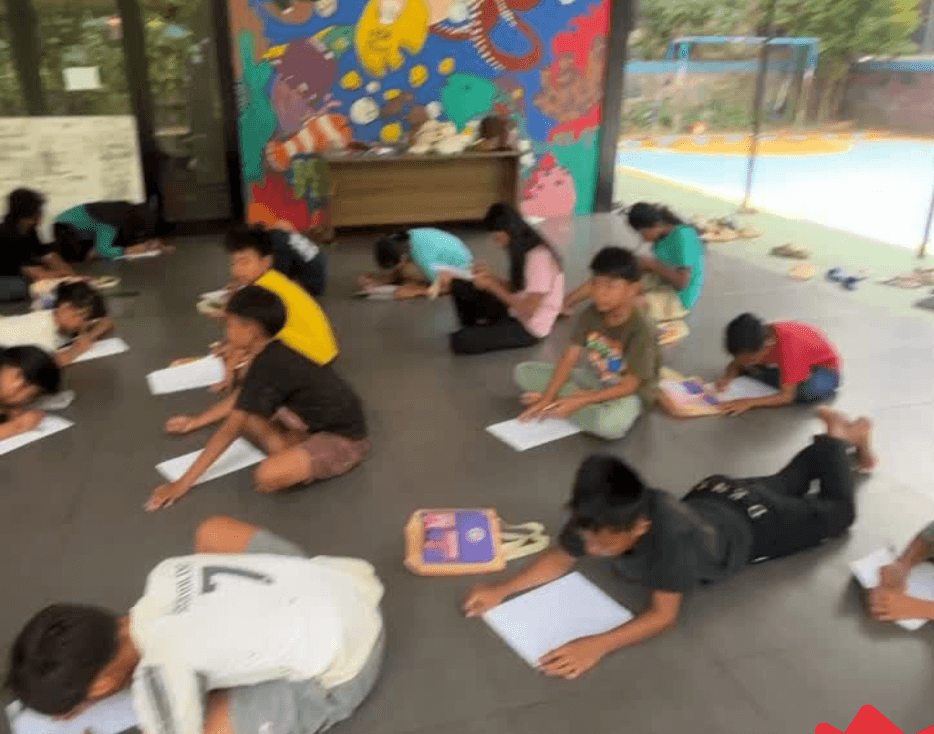
“Community work begins where classrooms end.”
Beyond teaching, we also try to help with:
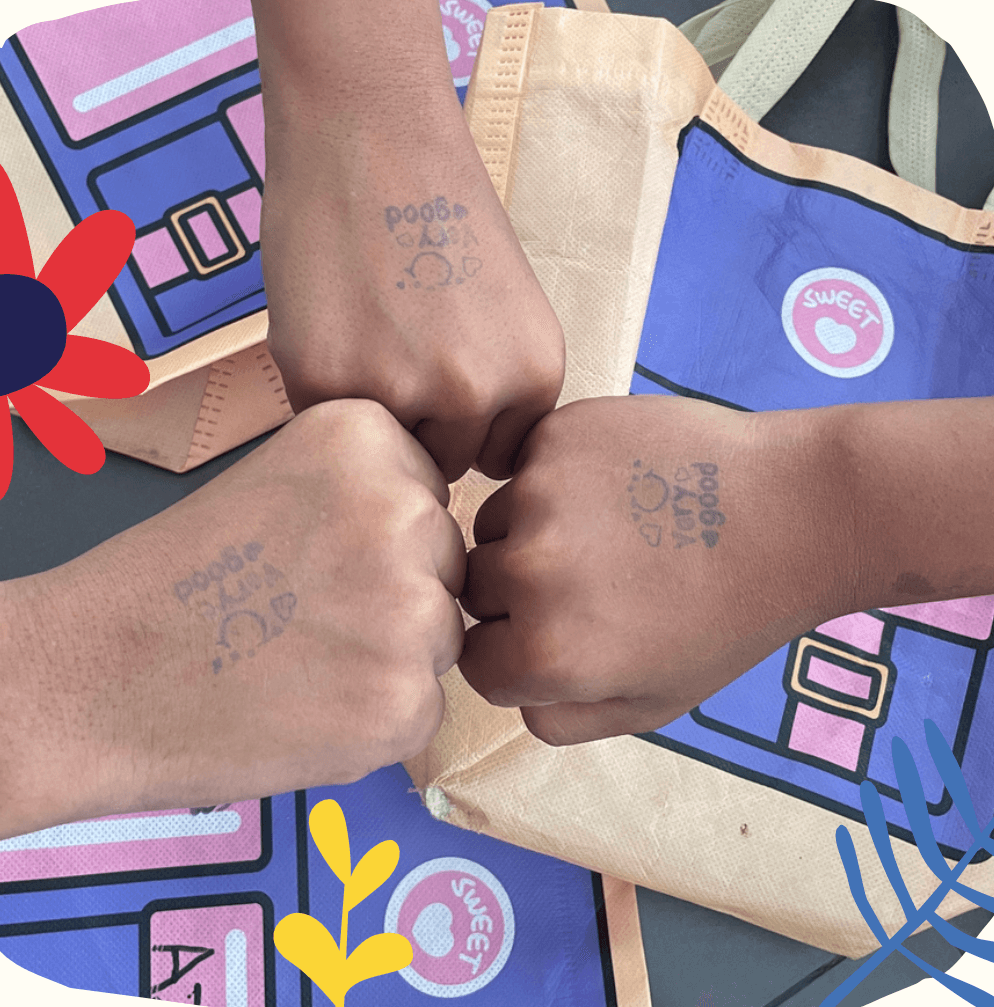
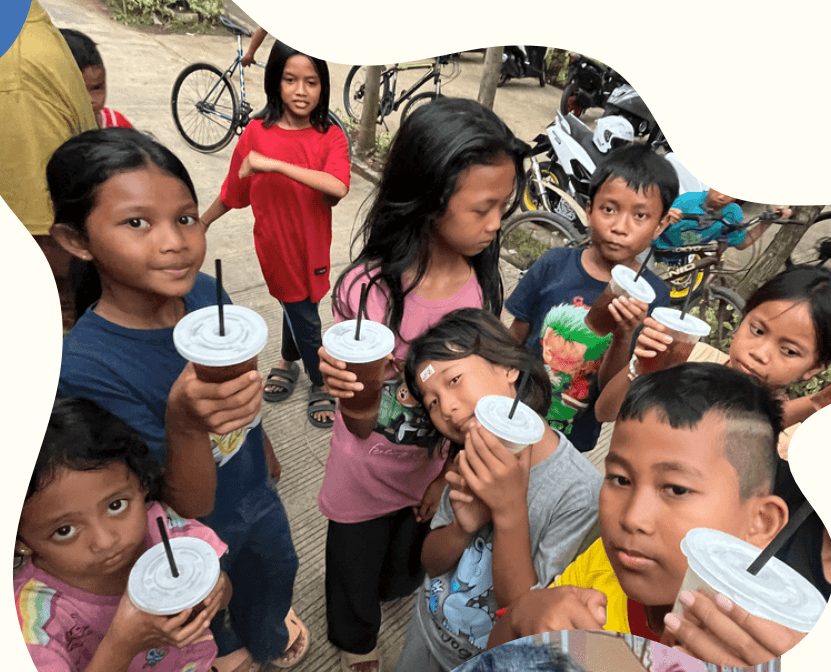
Two kinds of sustainability we work on in parallel.
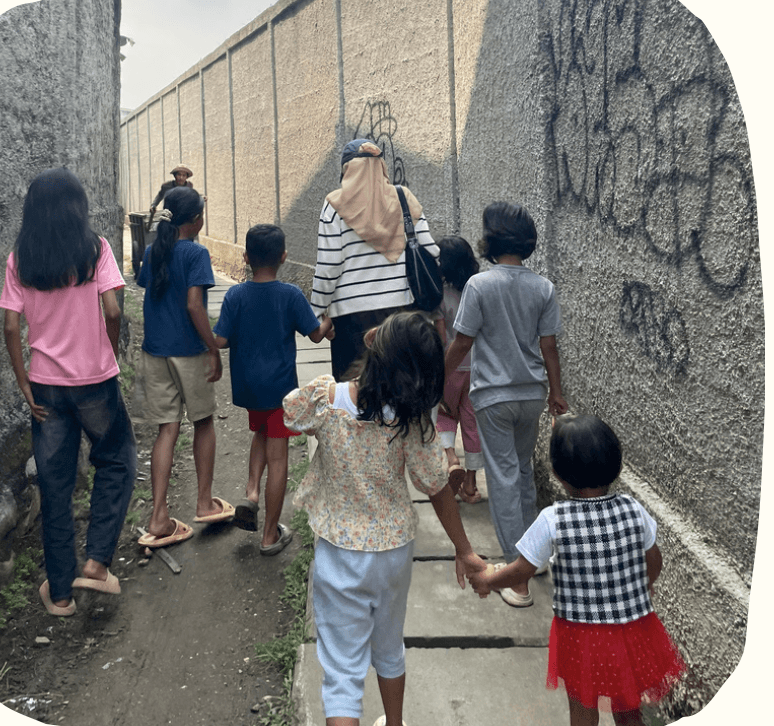

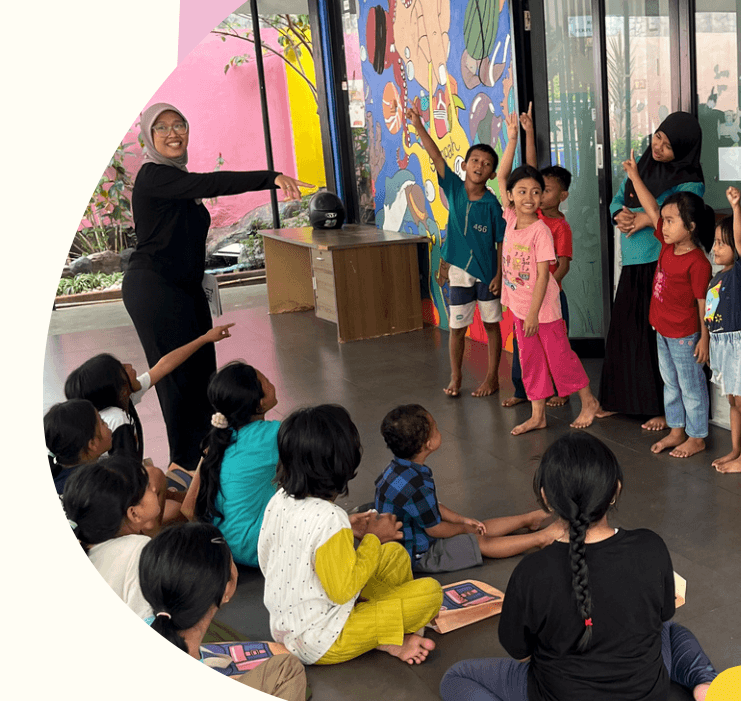
Five core team members, more than twenty external volunteers, and a growing set of institutional collaborations — meeting the children of Karang Pola every Sunday.
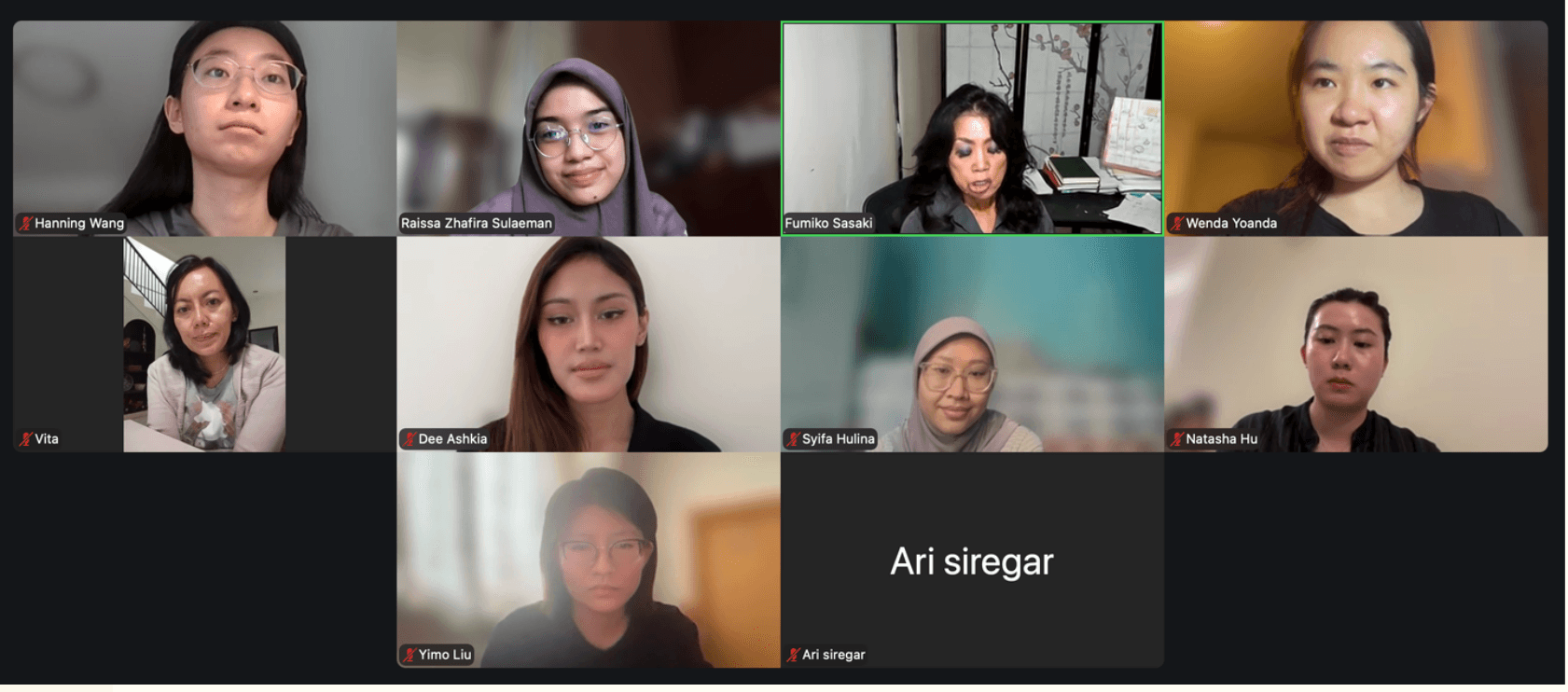
Meet the whole team →Working with students and researchers at Columbia University on how a small community-learning model can grow without losing what makes it work.
We don't have all the answers. The most meaningful work is never done alone — tap a question to see where our thinking is.
Right now we run on goodwill, personal contributions and small collaborations. We are building a mix of CSR partnerships, grants and individual donors so a single quiet month never puts Sunday at risk.
Test scores are the easy part. We also track confidence, curiosity, respect, expression and whether a child is willing to talk about their future at all — and we are still looking for better ways to do it honestly.
Parents here work long, unpredictable hours. Engagement cannot mean meetings — it means showing up in the kampung, being useful with documents and healthcare, and earning trust slowly.
Three ways to be part of it — every one of them starts with a conversation.